


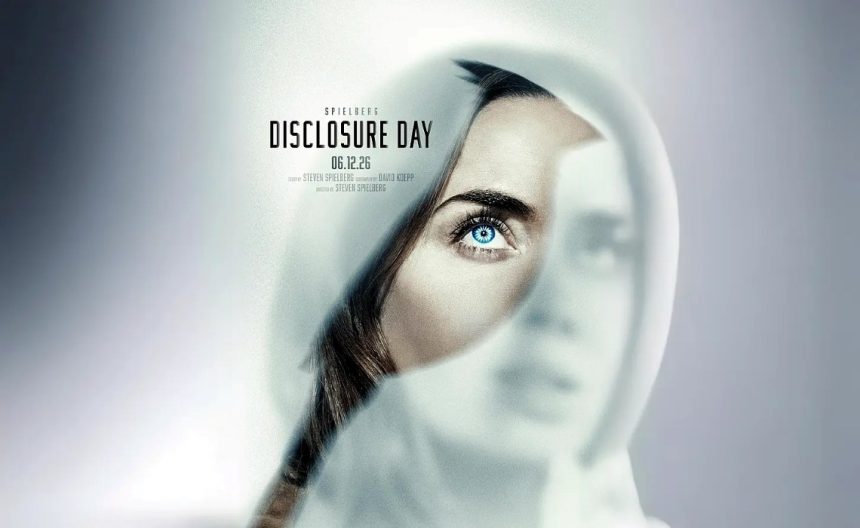
The global film industry is preparing for the arrival of another ambitious historical production led by one of cinema’s most influential directors. With Dia D (D-Day), acclaimed filmmaker Steven Spielberg returns to the terrain of war storytelling, bringing to the screen a narrative that revisits one of the most decisive moments of the twentieth century.
Based on an original story conceived by Spielberg himself, the film explores the dramatic historical context of the D-Day landings, the Allied invasion of Normandy during World War II that reshaped the course of the conflict in Europe. Combining historical depth with the director’s signature cinematic style, the production aims to deliver a powerful and human portrayal of the events that defined a generation.
A longstanding creative partnership
The screenplay for D-Day is written by David Koepp, one of Spielberg’s most frequent collaborators. Over the years, the pair have worked together on several landmark productions that became major box-office successes, including Jurassic Park, Jurassic Park: The Lost World, War of the Worlds, and Indiana Jones and the Kingdom of the Crystal Skull.
Collectively, these films generated more than $3 billion worldwide, underscoring the commercial and creative strength of their collaboration. Koepp also recently wrote the screenplay for Jurassic World Rebirth, released in 2025, further reinforcing his reputation as one of Hollywood’s most accomplished screenwriters.

Production and behind the scenes
The film is produced by five-time Academy Award® nominee Kristie Macosko Krieger, known for her work on The Fabelmans and West Side Story, alongside Spielberg himself. The project is developed under the banner of Amblin Entertainment, the production company long associated with Spielberg and responsible for numerous iconic films.
Executive producers on the project include Adam Somner and Chris Brigham, both seasoned professionals with extensive experience in large-scale Hollywood productions.
Cast and performances
Among the notable members of the cast is two-time Academy Award® nominee Colman Domingo. Widely recognized for his acclaimed performances in Sing Sing and Rustin, Domingo brings a powerful dramatic presence to the film, reinforcing its commitment to portraying not only the historical magnitude of the events but also the deeply personal stories unfolding within them.


Spielberg’s cinematic legacy
The project further solidifies the extraordinary career of Steven Spielberg, widely regarded as one of the most successful and influential filmmakers in modern cinema. Across more than five decades, Spielberg has directed numerous cultural landmarks, including Jaws, E.T. the Extra‑Terrestrial, the Indiana Jones franchise, and Jurassic Park.
Among his many honors are three Academy Awards®, including Best Director and Best Picture for Schindler’s List, which won seven Oscars, and Best Director for Saving Private Ryan, widely considered one of the most powerful cinematic depictions of World War II ever made.
His most recent feature prior to D-Day, The Fabelmans, released in 2022 by Universal Pictures, received seven Academy Award nominations, including Best Picture, Best Director, Best Actress, and Best Original Screenplay.
Release and expectations
With its international release highly anticipated, D-Day is already being viewed as one of the most significant historical productions currently in development. The combination of Spielberg’s direction, Koepp’s screenplay, and a strong ensemble cast positions the film as a potential standout both at the global box office and during the awards season.
Final considerations
More than simply a war film, Dia D (D-Day) aims to offer a cinematic reflection on one of the defining events of modern history. Under the direction of Steven Spielberg, the film seeks to revisit the past through a lens of emotional depth, visual intensity, and historical perspective.
If it captures the same dramatic power and authenticity that defined Saving Private Ryan, the project could become another landmark in Spielberg’s filmography—reaffirming his enduring ability to transform historical events into compelling cinematic experiences for audiences around the world.